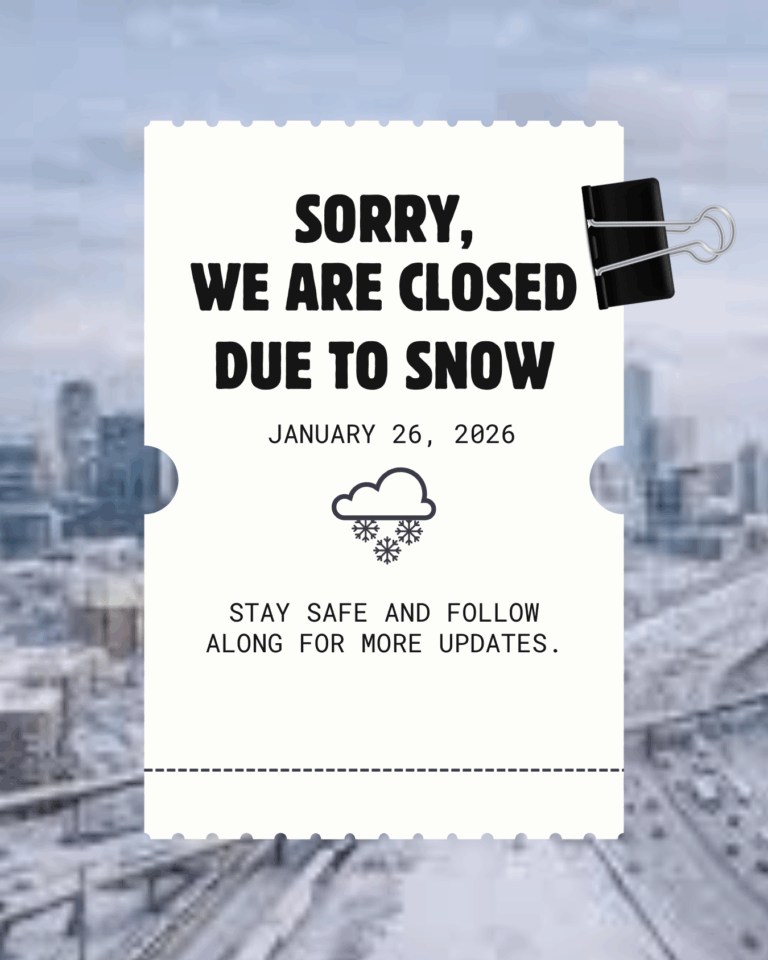


As temperatures drop, winter weather brings more than just cozy sweaters and holiday cheer—it also increases the risk of winter slip and fall injuries. December activities like holiday shopping, outdoor events, and even ice skating at seasonal rinks can increase the chances of unexpected falls and orthopedic injuries. Even in North Texas, where ice and freezing conditions may be occasional, they can still lead to serious injuries when they occur. At Texas Orthopaedic Associates, we see a noticeable increase in fall-related injuries during colder months, and we want to help you stay informed, safe, and prepared.
Why Cold Weather Increases the Risk of Slip and Fall Injuries
When temperatures fall, moisture on sidewalks, parking lots, steps, and driveways can freeze, creating slick and unpredictable surfaces. Ice reduces traction, making it easier to lose your balance—even during routine activities like walking to your car, taking out the trash, or enjoying seasonal activities such as ice skating.
Cold weather can also affect the body itself. Muscles, tendons, and ligaments tend to be stiffer in colder temperatures, which can make them more susceptible to strains, sprains, and tears during a fall.
Common Ice-Related and Ice Skating Injuries We See in Winter
Slips and falls may seem minor, but they can result in significant orthopaedic injuries, including:
- Wrist and forearm fractures from trying to break a fall
- Ankle sprains or fractures due to sudden twisting motions
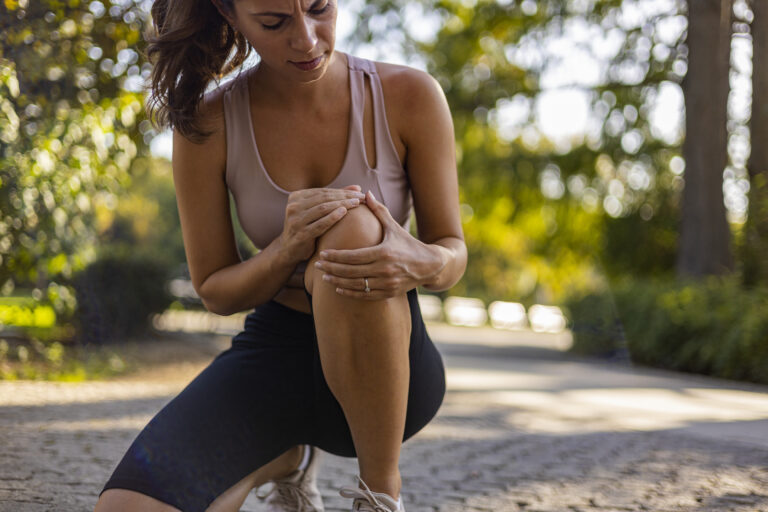
- Knee injuries, including ligament or meniscus tears
- Shoulder injuries, such as dislocations or rotator cuff tears
- Hip fractures, particularly in older adults
- Back and spine injuries, ranging from muscle strains to more serious trauma
These injuries can impact mobility, independence, and overall quality of life—especially during the busy holiday season when staying active and pain-free matters most.
What to Do After a Slip and Fall Injury
If you experience a fall on ice or a slick surface:
- Don’t rush to get up. Take a moment to assess how you feel.
- Check for pain, swelling, or limited movement. These can be signs of a fracture or soft tissue injury.
- Apply ice to the affected area to help reduce swelling.
- Avoid putting weight on an injured limb until you’re evaluated.
- Seek medical attention, especially if pain persists, swelling increases, or movement is restricted.
Early evaluation is key to preventing complications and promoting proper healing.
Expert Fall Injury Treatment at Texas Orthopaedic Associates
Our team at Texas Orthopaedic Associates specializes in diagnosing and treating a wide range of fall-related injuries. From advanced imaging and accurate diagnosis to personalized treatment plans—including non-surgical care, physical therapy, and surgical options when needed—we’re here to help you recover safely and efficiently.
We treat patients of all ages and understand how winter injuries can disrupt daily life. Our goal is to get you back on your feet as quickly and comfortably as possible.
Tips to Prevent Winter Slip and Fall Injuries
While not all accidents can be avoided, these tips can help reduce your risk:
- Wear shoes with good traction or properly fitted ice skates with ankle support when skating
- Walk slowly and take smaller steps on icy surfaces
- Use handrails when available
- Keep walkways clear of ice and moisture
- Be extra cautious in shaded areas where ice may linger
When to See an Orthopaedic Doctor After a Fall
If you or a loved one experiences an injury from a slip, fall, or ice skating accident this winter, don’t ignore the symptoms. Prompt orthopaedic care can make all the difference in recovery.
Texas Orthopaedic Associates is here for you—season after season. If you’re experiencing pain or injury, contact us to schedule an appointment and get expert care you can trust.